
The Gentleman's Agreement That's Bankrupting Britain
In the mahogany-panelled boardrooms of Britain's most established enterprises, a peculiar form of commercial suicide unfolds weekly. Executives arrive armed with data, insights, and strategic convictions—only to watch their boldest recommendations dissolve into committee-speak and consensus-seeking that would make a parish council proud.
This isn't merely a cultural quirk. Britain's ingrained preference for diplomatic discourse over decisive action is systematically destroying shareholder value across industries from financial services to manufacturing. While American and German competitors slash through strategic decisions with surgical precision, British boards remain trapped in elaborate consultation rituals that prioritise harmony over performance.
The numbers tell a sobering story. Analysis of FTSE 250 companies reveals that organisations with consensus-heavy decision-making processes take an average of 47% longer to respond to competitive threats than their European counterparts. This delay isn't academic—it translates directly into market share erosion and missed revenue opportunities that compound exponentially.
The Politeness Penalty: Why British Boards Avoid Necessary Conflict
The roots of this strategic paralysis run deeper than simple risk aversion. British executive culture has evolved sophisticated mechanisms for avoiding the uncomfortable conversations that drive breakthrough decisions. The preference for "further consultation" and "additional stakeholder input" often serves as elegant camouflage for executives unwilling to champion unpopular but necessary strategic shifts.
Consider the typical British board response to market disruption. Where Silicon Valley executives might pivot aggressively within quarters, British leadership teams initiate multi-phase review processes that can stretch across financial years. The desire to "bring everyone along" becomes a strategic anchor that prevents organisations from responding to rapidly evolving competitive landscapes.
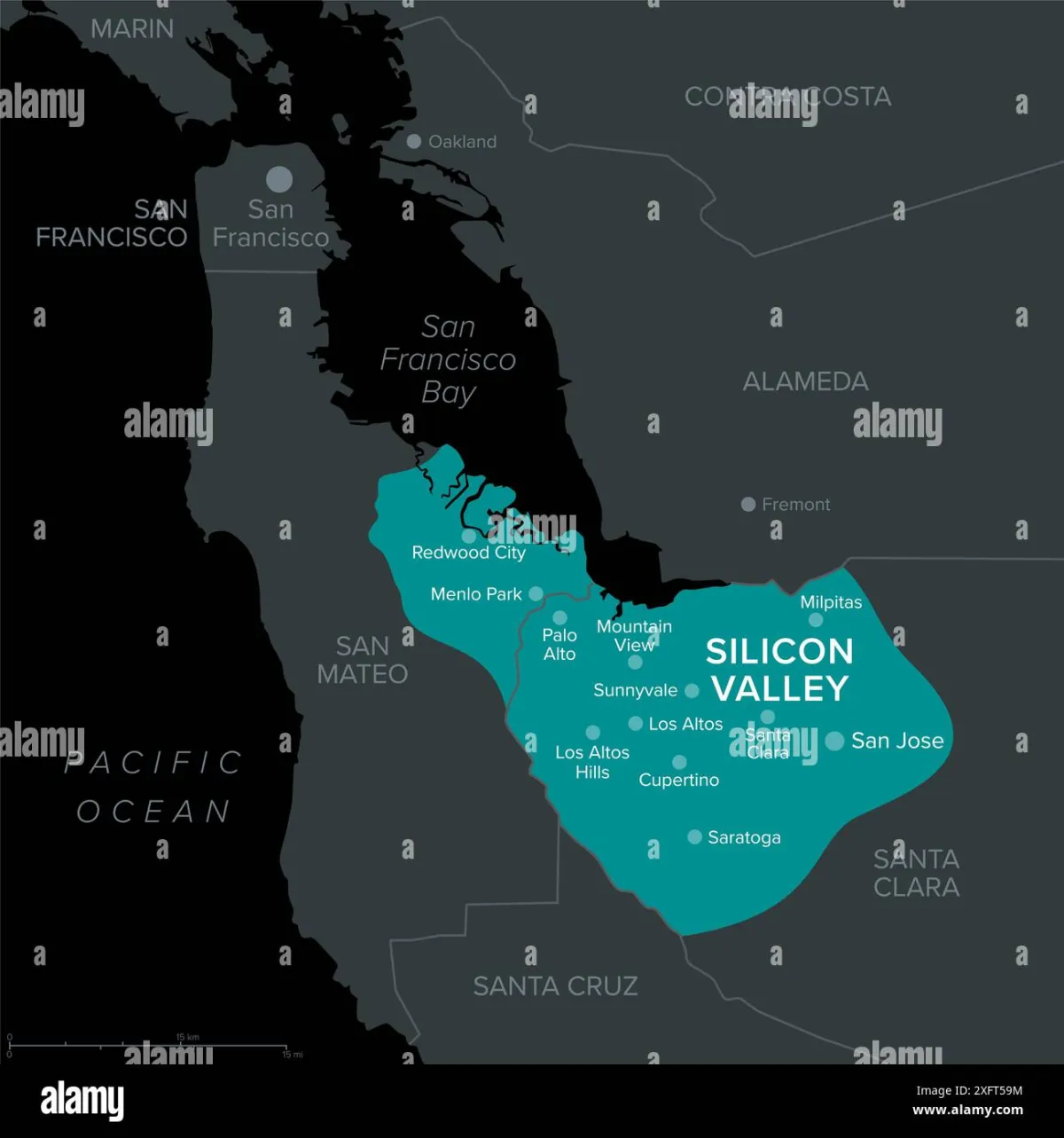 Photo: Silicon Valley, via c8.alamy.com
This cultural programming manifests in predictable boardroom behaviours. Dissenting voices are managed through diplomatic deflection rather than rigorous debate. Strategic proposals undergo endless refinement cycles designed to eliminate any element that might generate pushback. The result is a steady drift toward lowest-common-denominator decision-making that satisfies no one while advancing nothing.
The Groupthink Epidemic: How Consensus Culture Breeds Strategic Blindness
The insidious nature of consensus-driven governance lies in its apparent reasonableness. Who could argue against inclusive decision-making and stakeholder consultation? Yet beneath this veneer of democratic leadership lurks a more troubling reality: systematic suppression of the contrarian thinking that drives competitive advantage.
British boardrooms have become echo chambers where challenging conventional wisdom is viewed as poor form rather than strategic necessity. The cultural emphasis on maintaining relationships and avoiding confrontation creates environments where executives self-censor their most valuable insights. The board member who consistently raises uncomfortable questions about strategic assumptions quickly finds themselves marginalised as "difficult" or "not a team player."
This dynamic is particularly destructive during crisis periods when rapid, decisive action determines survival. While competitors execute bold strategic pivots, British organisations remain paralysed by the need to achieve unanimous agreement before proceeding. The time lost to consensus-building often exceeds the window of strategic opportunity.
Breaking the Consensus Trap: Frameworks for Constructive Strategic Dissent
Transforming boardroom dynamics requires systematic intervention rather than cultural revolution. Forward-thinking British executives are implementing structured approaches that preserve team cohesion while enabling the healthy conflict necessary for strategic breakthrough.
The most effective approach involves institutionalising dissent through formal board processes. Successful organisations now mandate that every strategic proposal include a designated "devil's advocate" presentation outlining potential failure modes and alternative approaches. This removes the personal risk from challenging popular initiatives while ensuring robust strategic scrutiny.
Another powerful technique involves time-boxing consensus-seeking activities. Rather than allowing discussions to meander toward comfortable agreement, effective boards establish explicit deadlines for debate and require decisions regardless of unanimity. This forces executives to confront trade-offs and make choices rather than pursuing endless refinement.
The Decisiveness Dividend: Measuring the Returns of Strategic Courage
Organisations that successfully break free from consensus paralysis demonstrate measurably superior performance across key strategic metrics. They respond to competitive threats 60% faster than peers and show greater willingness to pursue high-risk, high-reward strategic initiatives that drive category leadership.
The transformation requires leadership courage but delivers compound returns. Boards that embrace constructive conflict create cultures where strategic boldness flourishes. Team members learn to separate personal relationships from professional disagreement, enabling the kind of rigorous strategic debate that identifies breakthrough opportunities.
Beyond Politeness: Building Boards That Drive Strategic Advantage
The path forward requires British executives to distinguish between productive collaboration and strategic paralysis. Effective boardroom governance balances inclusive consultation with decisive action, ensuring that diverse perspectives inform decisions without preventing their execution.
This cultural evolution represents more than operational improvement—it's a competitive necessity. As global markets accelerate and strategic windows narrow, organisations trapped in consensus culture will find themselves systematically outmanoeuvred by competitors comfortable with strategic decisiveness.
The choice facing British boards is stark: evolve beyond politeness-driven governance or watch more agile competitors capture the strategic opportunities that consensus culture renders invisible. The companies that make this transition earliest will establish unassailable advantages in markets where speed of strategic response increasingly determines commercial survival.